Disclaimer: This post may contain affiliate links. As an Amazon Associate, I earn from qualifying purchases.
When I think about my first sewing job, it was quite an experience. It wasn’t too difficult, but it came with challenges like any other job.
I worked backstage in wardrobe, doing quick fixes and other tasks. Being that I was a dancer and performer, I was different being on the other side of the curtain for once.
So, I’m sharing my experience and what I learned. This may help you know what to expect in case you get a similar job.
My Sewing Job Working Wardrobe

Years ago, I got a job working backstage at dance performances for a company. I’ll break down my whole experience from getting the job to leaving it.
Although it was a sewing job, I didn’t learn any new techniques for altering clothes. Most of the stuff I learned was more about how people acted.
How I Got the Job
I never applied for the job, and it literally fell into my lap. I was a dancer at the company, and people knew I sewed.
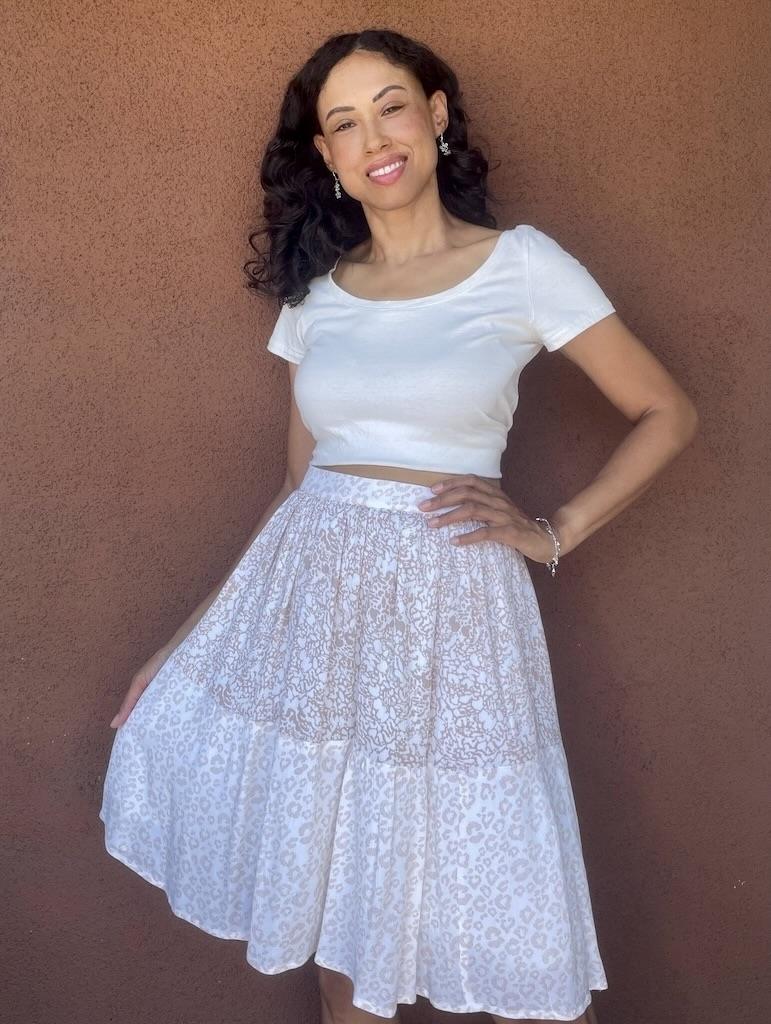
I wore my DIY dancewear to practices, including ballet skirts, wrap tops, and stretch pants. People would ask where I got them, and I told them I made my clothes.
Then word spread, and before I knew it, everyone knew. Then a person working for the company asked if I’d be interested in working part-time backstage for the company.
So, I agreed to it since it had to do with sewing. Plus, it was some extra money, might as well, right?
Why They Hired Me
The company hired me because they were planning on replacing another sewist. She had worked with them for a few years before I started.
I found out they were not happy with her work. They claimed she mostly played on her phone and hung out with the dancers.
In the beginning, the employer had a lot of faith in her. She had a fashion school degree and many achievements under her belt.
She even designed clothes for high-end clients, so she claimed. I was impressed.
I thought I’d learn a thing or two from her. She had also worked for big fashion companies in the past.
But despite her years with the company, they felt it wasn’t going well anymore. The staff told me she had once done a great job, but was no longer doing that.
I had later found out they didn’t give her all this feedback. Hmmm…
About My Job and Duties

The job wasn’t too difficult, but sometimes fast-paced. My official title was Wardrobe Coordinator, and mainly, I was in charge of prepping the costumes.
Before shows, I dyed clothes, helped the designer with fittings, and made alterations. The most difficult things I had to fix were loose seams, long shoulder straps, and buttons.
I sewed ballerinas into costumes before they went on stage, and helped them out of them. Sometimes I had to tack their tights to the leotard after they got dressed. This is so they’d stay in place while dancing, and that’s a little secret you might not know.
Anyway, I also kept the costumes organized on the racks according to the show schedule. I tagged clothes and accessories with performers’ names.
I got paid pretty well, over $50 an hour! Not bad, right? I think most backstage jobs might pay minimum wage or a bit over.
Besides the designer, no one around us knew that much about sewing. So, they pretty much regarded us as unicorns.
They let us negotiate our schedules with flexibility and always gave us ample time to make alterations. We had about 30 days to fix 40 costumes before a show.
The employer gave us a sewing machine and bought tools and supplies for the job. But, I decided to use my own kit just for working backstage, and I’m going to make a blog post about that!
About the Employer
Overall, I had already known this company from dancing with them myself. However, I hadn’t worked backstage and seen people’s true colors.
There were a few directors and then a manager. The manager was more like a personal assistant to the directors and had no background in dance.
Everyone started out nice. But within days, they started gossiping.
The first thing I noticed was the tension and backstabbing going on in the office. Although they said I got hired to replace the other sewist, they smiled in her face.
Then behind her back, they talked badly about her and her work. The manager complained about her constantly, but this was his character—negative.
All I know is that anyone willing to run around and talk badly about someone else is going to do it to you too.
I found out the real reason they kept the other sewist around is because the president really liked her. He was the head honcho, and at the end of the day, he called all the shots.
About the Other Sewist
I liked the other sewist too. She was friendly, hip, cute, and very chatty—and that made her fun.
She liked hanging out with the dancers, and I could see why they liked her. Although I could relate more to them as a dancer, the other sewist was more playful and juvenile.
She befriended them on social media and constantly tagged them in pictures. That’s just not my style when I work with people.
She always looked like she was having fun at work. But it’s not always fun and games, as work needs to get done.
About the Performers
Well, it’s not easy working backstage because you’ll get a mixed bag. For the most part, the performers were pleasant to work with.
Sure, sometimes you’ll get that real diva, but overall, they were humble. Most dancers just wanted to do their best on stage and were too busy running routines through their heads.
Since they knew me from being a dancer, we had an understanding. But I kept it professional. When I worked backstage, I was working.
I wasn’t dancing or hanging out while on the clock. And they respected that.
So, they came to me with their fit issues and concerns. I was able to handle them with no problem.
And about the stage moms… Yes, there were some, and they swarmed around like flies, but I kept them at bay.
I just acted like I listened to them brag and boast. Then they brought me special gifts.
My Task to Fix Her Work

One of the first tasks the manager assigned me was to fix some of the other sewist’s work. I was surprised to see what she had done.
She had used a tagging gun and careless hand stitching to fix costumes. Mind you, some of the stitches came apart while performers danced on stage.

This didn’t look so good.
Now, I can see using a tagging gun in a big rush. Like when working backstage during a show…
A dancer rips a hole in the costume, and you have less than 30 seconds to fix it. So you use the tagging gun or baby pins because… The show must go on!

No one can wait all day for you to fix it. The performer needs to run back on stage, rain or shine.
But oh my. Bless her little heart.
My Costume Fixes

So, I fixed the costumes so they wouldn’t come apart on stage. I had to go back and sew straps and fix seams so they would stay put.
It didn’t take much time to fix these costumes. The dancers were happy to have a polished look.

I felt so much better about them going on stage like this too. When you do good work, you just feel good about it.
The directors were happy about my fixes, so they came to me more often. They started assigning me more shows and rehearsals.
What Happened with the Job
So, after a couple months, the other sewist quit out of the blue. She was really emotional about it, crying and yelling.
She told everyone that the manager was targeting her. Now, I can see why she said this. It’s not far from the truth.
But I was pretty shocked that it came to an end so quickly after so many years. Anyway, she ended up getting another sewing job right away.
And for me? Well, I ended up departing too. After my last performance, I called it quits.
Yes, that manager was awful, like the other sewist said. Although the job was pretty easy, it wasn’t immune to toxic people and attitudes.
So, I made some easy cash on the side, but it wasn’t for me. I like surrounding myself with nurturing and positive people, and that place wasn’t it.
Final Thoughts

I learned a lot from my first sewing job, and it was an interesting experience. From working with different types of people and what it’s like working behind stage, I’m glad I did it.
The job itself was fun, especially working with the performers. They made it enjoyable, but I wouldn’t work with a company like this again.
More About Sewing
I have many other related blog posts that you may find interesting. You might want to check them out.
- Speaking of basic repairs, would you like to fix a small hole in clothes without sewing?
- What about overdyeing clothes to fix stains or correct colors?
- I share my essential tips for making clothes from my years of experience.
- Would you like to find more time for sewing? I’ll give you some tips.
I’d love to hear about your sewing adventures!
Originally published: August 22, 2024