
Disclaimer: This post may contain affiliate links. As an Amazon Associate, I earn from qualifying purchases.
Looking for strategies for teaching kids about sewing? I created some when I was working in education, and my boss told me I couldn’t give sewing lessons.
So, the best thing for me to do was to teach them all about the craft. We couldn’t do the actual hands-on sewing, so we read, talked, and wrote about it.
And I wrote about the experience in my other post. But here, I’ll share what I used throughout the school day to give you ideas.
1. Talk about sewing.
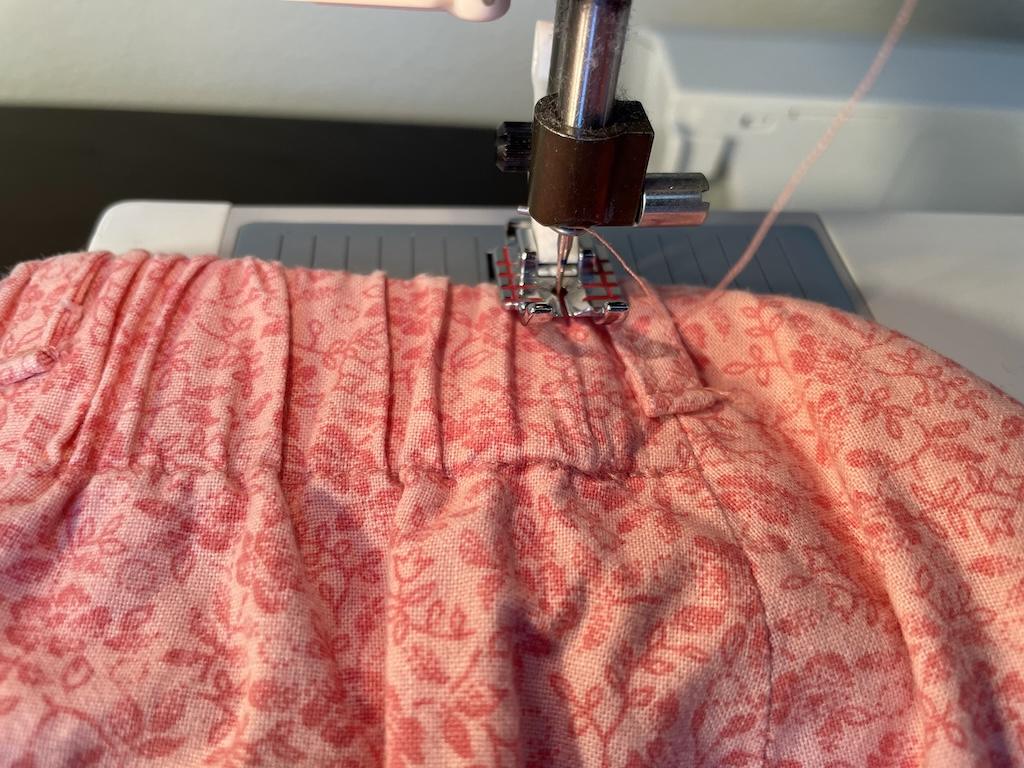
One of the first things I’d do is greet students as they enter the room. I’d ask about their weekend or how yesterday went.
Well, that would open up the discussion. They’d tell me about playing video games, feeding the dog, or helping out around the house.
Then they’d ask me the same. Well, you know the conversation went something like, “I spent yesterday sewing my new outfit.”
Then my students would ask questions about what I was making. So, we had discussions about the skills, materials, and time to make clothes.
This was ongoing, as when students or staff would cross my path, they’d ask if I made my outfit. As always, the answer was, “Why yes!”
2. Show them sewing stuff.

Naturally, we talked about how clothes were made. Since all the students wore clothes, they had examples.
Their eyes lit up when I told them that clothes didn’t go down an assembly line like toys. Well, some students had no clue.
I showed them what a sewing pattern looked like. They couldn’t imagine turning a flat piece of fabric into a real shirt.
I explained how the pattern pieces had to be cut from fabric. Then they are sewn together to create the garment.
We also looked at sewing machines, tools, and supplies. One student related a sewing room to his uncle’s auto shop, because he said it had so many tools!
3. Discuss the history of sewing.

This naturally led to talking about the history of sewing. Being that I travel and frequent museums a lot, I have much to share.
Some students mentioned their grandmothers’ sewing machines. I told them how my mom gave me her Singer sewing machine.
They learned that in the earliest times, people hand-sewed everything. When early foot-pedal machines came out in the 1800s, this changed everything.
Today, we have electrical sewing machines that can make sewing even easier (compared to the 1800s).
They wondered why the craft isn’t as popular today. Well, this led to more research on how sewing has evolved.
4. Read books about sewing.

I worked with small groups. In the room, there was a small library with different types of books.
Well, there were books about sewing and crafting! Plus, we took trips to the school library, and some of my students looked for DIY books.
The great thing about them was the colorful pictures. Plus, it was more relatable seeing a kid in the book doing the craft.
After reading, I’d ask comprehension questions at the end. This led to them asking me even more.
5. Do research about sewing.
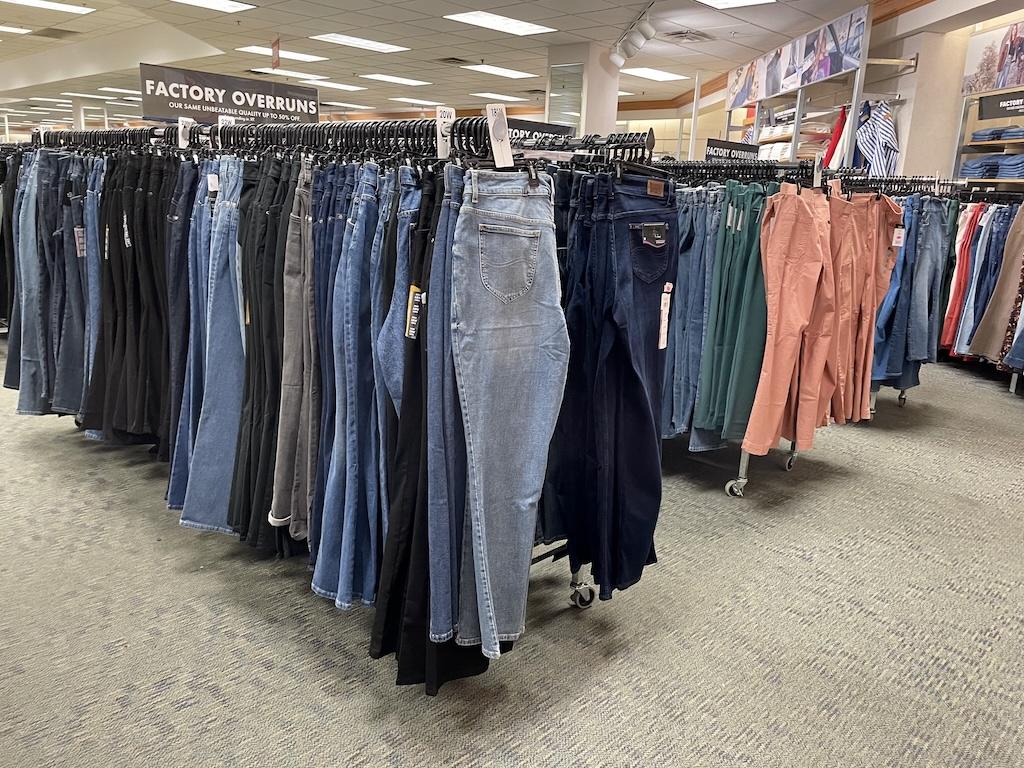
After reading about sewing, I’d have the students do more research on the topic. So they’d search on the internet and look at pictures.
They were shocked to find images of kids sewing clothes in factories. We discussed how some kids in other countries are forced to do this for little to no money.
That led to discussions on labor laws and ethics. Students also learned about the reality of fast fashion.
They found images of textile waste and pollution. They couldn’t believe the heaps of garbage and the impact on the environment!
Maybe this would lead to more conscious decisions when buying clothes? At the very least, it gave them skills to research a topic.
6. Write about sewing.

After learning something new, we often wrote about it. The students would write at least a paragraph on what they learned.
At least I got them to write something, as many students hate it. Giving them a subject they could relate to helps.
This could’ve been about their favorite outfit, what kinds of clothes they liked to wear, or their thoughts about fast fashion.
Some drew pictures instead. At least they voiced their thoughts and concerns about textile waste.
And some students even wrote that they would like to sew someday. I really hope they followed up later.
7. Relate it to math.

Of course, I told them about all the math that’s used in sewing. Yeah, we don’t learn fractions for nothin’.
See, students don’t get why we have to learn something unless it’s related to the real world. I showed them how fractions are used when sewing a garment.
You need to add seam allowances to sew pattern pieces together. This can be 1/2 inch or 5/8 of an inch.
In sewing, we use a lot of geometry and basic shapes such as triangles, circles, squares, and rectangles.
Plus, we take measurements and alterations. Besides using our imagination, there’s a lot of reasoning involved.
Just like any other craft, such as cooking, baking, woodwork, construction, and art, you’ll find math everywhere!
8. Show them sketches.

Drawing and coloring are very motivating to some students. So I showed them croquis and some of my sketches.
One student went home and told her parents about all the stuff she was learning from me. They called me to thank me.
One parent in particular was so happy about it. This kid had no interest in school whatsoever.
Then the girl started coming to school with her own sketch book and drew croquis (fashion figures) in her free time. She learned by watching videos!
She really got into it, making little paper dolls and designing their clothes. Hey, that’s where it all starts.
9. Socialize with others about it.
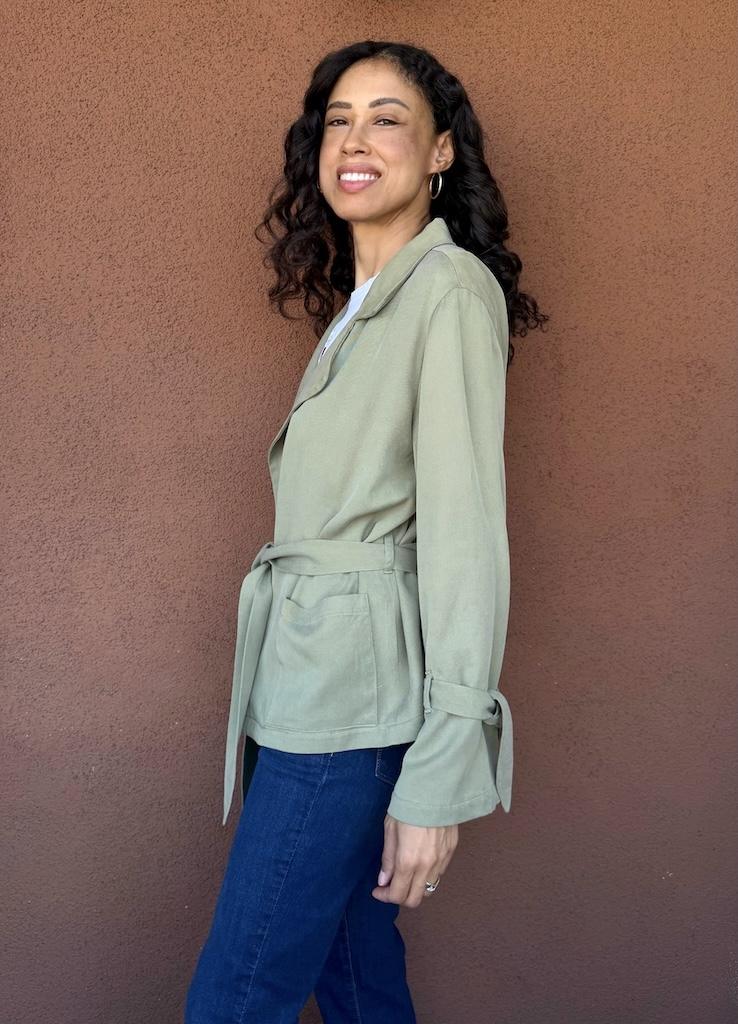
By students telling others about what they learned, this opened more doors for conversations. And more kids stopped by to learn some stuff.
As I mentioned, many staff knew that I sewed. They would ask about my outfits at work.
And they would talk about it to their students.
I’d have random students come up to me and ask if I made my outfit. Or they’d say, “Oh, Janie told me that you could sew…”
It felt like I had some kind of supernatural skill. But this got them interested and talking about it for sure.
10. Encourage them to advocate.
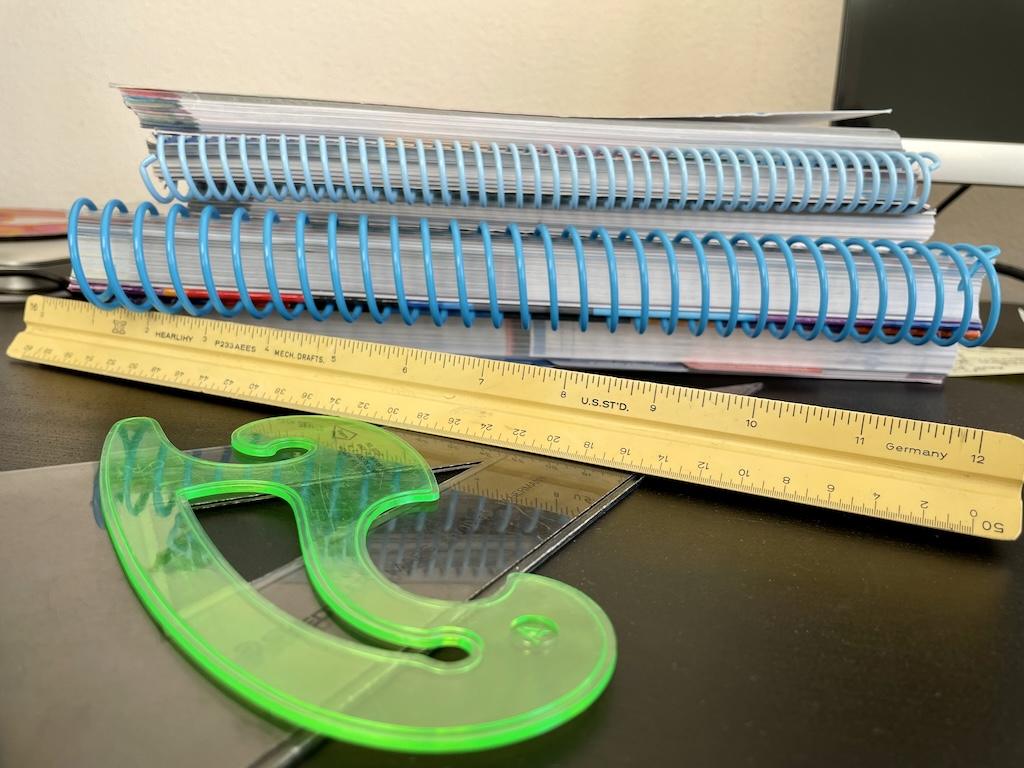
When I worked around high school students, many were fascinated with sewing. At this age, they were more into fashion.
They followed the new trends and wanted to stand out. They also wanted to see more variety in the elective classes the school offered.
Most often, they’d get to choose from leadership, computers, or music. But many of the students wanted more hands-on classes.
So, I told them to ask the powers that be. Write letters, tell them what you learned, and push to open classes.
When I was in high school, we had art, auto shop, wood shop, drafting, and home economics. They also had music, band, theater, journalism, and leadership.
Well, when I told my students about this, they felt cheated. So they went to the principal and counselors and asked for more vocational classes!
Nothing changed, but it got conversations going for sure.
Read More
