
Disclaimer: This post may contain affiliate links. As an Amazon Associate, I earn from qualifying purchases.
I’m dealing with a conundrum right now while planning my projects. As I’m feeling better to sew again, I thought of something other sewists might deal with.
When sewing clothes, which size do you make when you’re dealing with weight loss or gain? And what kind of clothes should you make?
I’ll share some things that help me decide what to make during times of weight fluctuations, and what to consider.
What Kinds of Clothes to Make During Weight Fluctuations
For some background, I was sick for quite a while with COVID, then long COVID, and three infections! I experienced unintended weight loss, and plan to gain this weight back.
So, I have to consider the types or styles of clothes and fabrics that will allow me to have room to grow when I increase in size. The following are pretty forgiving.
Wrap Styles

The good thing about wrap styles is that they’re naturally adjustable. I like making wrap skirts because once you gain weight, you can keep adjusting the waistband.
Sometimes it’s just a matter of moving a button or hook, or making a tie for a closure.
There are also wrap tops, dresses, and flowy pants that will work. Geee… I haven’t made a wrap dress in a long, long time!
Elastic Waistbands

Oh how I love elastic waistbands because they stretch and are so forgiving. So if you grow in the middle, they’ll expand with you, for the most part.
Plus, you can adjust the amount of elastic too. It might take a little sewing, but it can be done.
By the way, I have a whole guide on choosing the most comfy waistband elastics.
Making an elastic waist skirt, pants, or shorts can be adjusted at the waist. But if you’re making it with woven fabric, just know that the hips might not fit if you gain a lot of weight.
Knit Fabrics
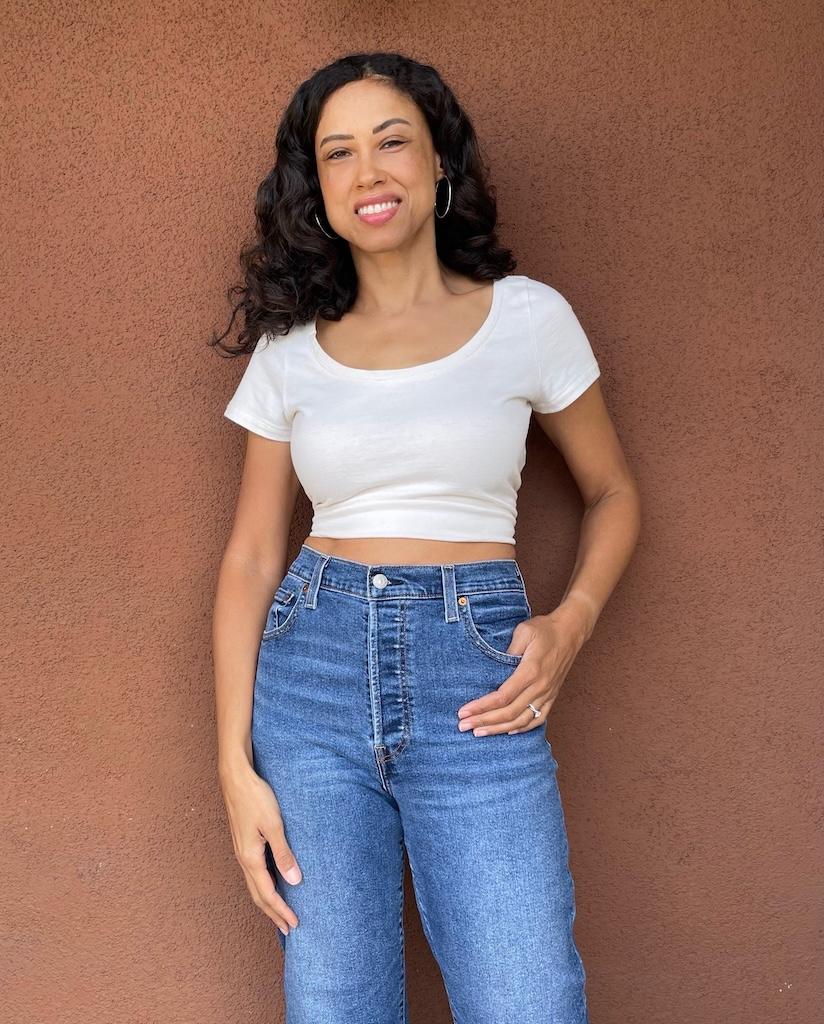
Just like choosing elastic waistbands, knit fabric stretches. So if you’re gaining weight, they’ll grow with you too.
There are different types of knits, some containing elastane. The ones with more elastane will give you maximum stretch.
I prefer to make tops with cotton knit with 3% to 5% elastane to give me a good stretch. For even more stretch, you can go for up to 12% spandex, elastane, or lycra.
You can also make bottoms like pants and skirts with stretchy fabric too. If you gain a lot of weight, knit will have its limits too, but it’ll accommodate quite a few pounds.
Just make sure you pick a sewing pattern calling for the stretch fabric you plan to use.
Garment Choices
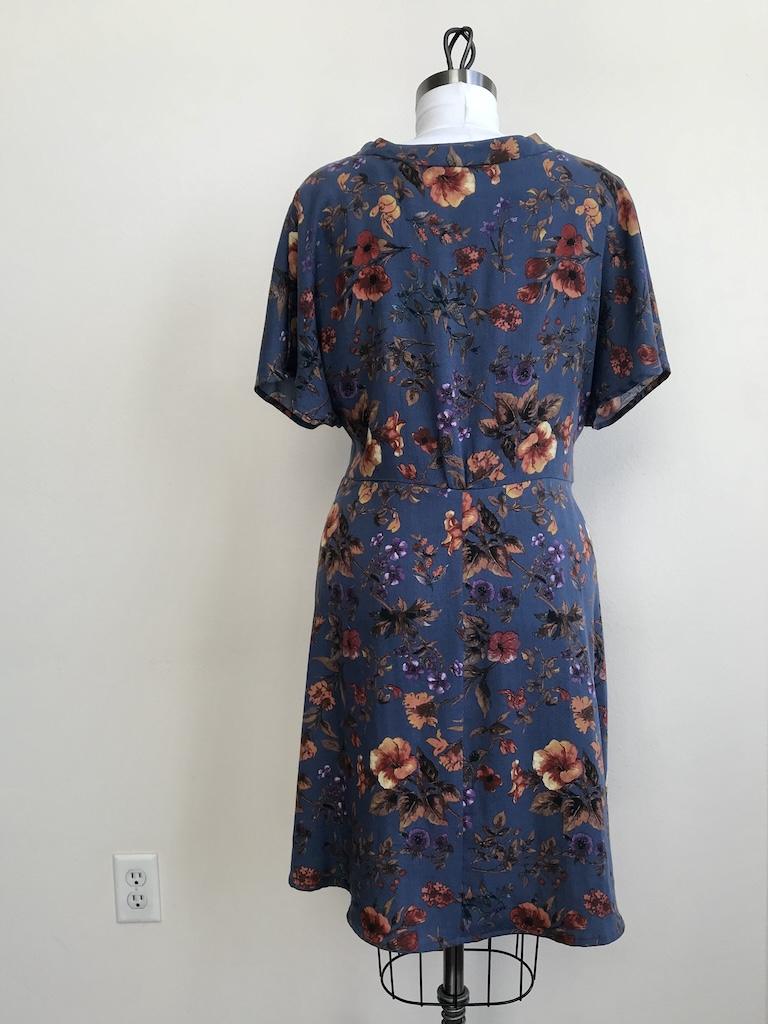
Since my weight is going to change, I’m not going to make structured or fitted clothes at my current size.
I like to make skirts, dresses, flowy pants, and knit tops. I don’t want to make anything that won’t fit in a couple of months.
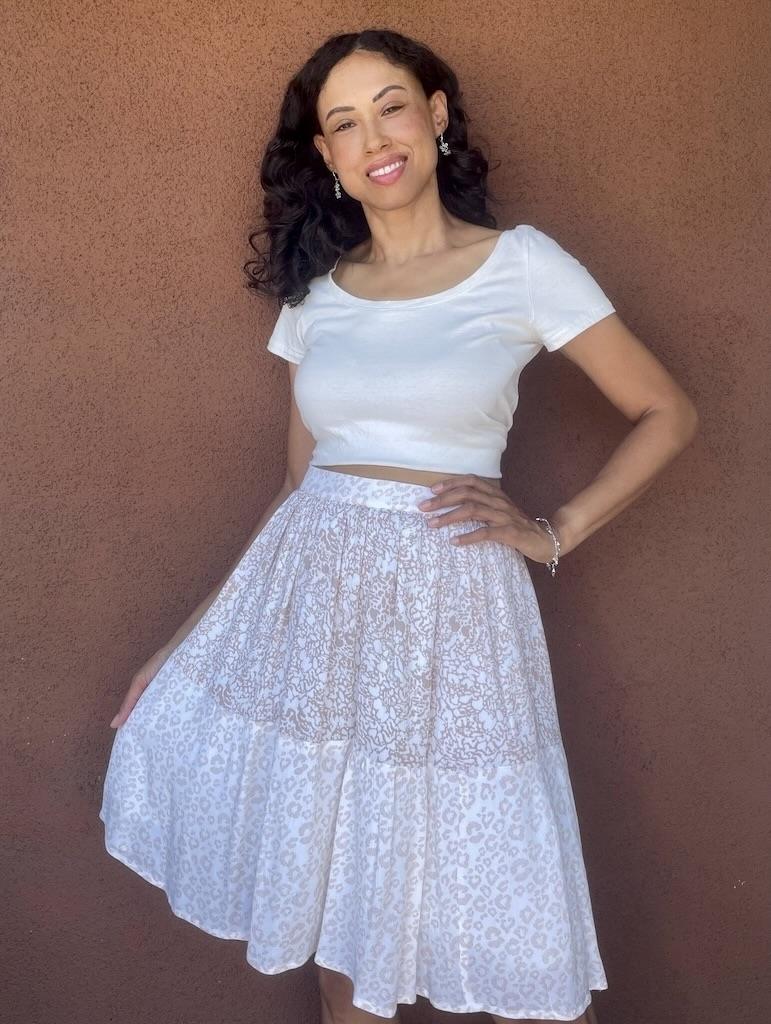
The thing about skirts is that if I make them in my regular size, and I lose weight, they’ll drop down lower on my waist. Meaning, I can still wear them, but they’ll be too big to wear on my high waist.
The good thing about loose-fitting dresses is that they can accommodate many weight changes too. Styles with elastic waists or no waist work well.
If you like wearing shift, tent, or caftan styles, you don’t have to worry about minor weight fluctuations too much.
What Size to Cut and Sew During Weight Changes

I’m going to cut and sew the pattern size I usually do. Why? Because my weight loss is temporary.
Like I mentioned before, I’m planning on gaining weight. My weight loss during illness was unintentional.
And who knows? I might even overshoot and gain more than that.
But I know my typical size is 10-12, depending on the pattern. Right now I could fit into a size 8, but that doesn’t mean that’ll be my size in a month or two.
And I know this because I’ve gone through weight changes before.
If you want to sew your current size, I say do it. But if you think your weight will change a lot, you’ll have to keep that in mind.
You can be strategic with the garment style, so it’ll fit if you gain or lose weight. For example, choosing a flowy, unstructured top might get you through more weight fluctuations than a fitted button-up.
Waiting Until Weight Fluctuations Are Over to Sew

I know people who might do this. They might wait until they reach their ideal weight to make a garment.
During this period, you could always focus on sewing accessories and other items besides making clothes.
It all depends on your goals and your body. I know my body, and I know what sizes I fluctuate around.
I’m not going to wait until I return to my target weight to make clothes. But I’ll definitely practice some slow sewing and lean into more intentional choices for now.
While I’m waiting until my weight settles back to my normal range, I’ll continue slow sewing. Sometimes we have to go with the flow of life and the changes that come, right?
How have you handled weight changes while creating your handmade wardrobe? I’d love to hear your thoughts!
Read More



Years ago, I lost a lot of weight. How I managed it:
– I made two new skirts or altered two each time I went down a size, so I usually had two that fitted, two that were loose, and two that were too big (and waiting to be taken in when needed). Trousers and jeans are too difficult to manage, apart from elastic waisted baggy pants.
– tops are usually more flexible, but I found that something like a fitted cardigan that looks baggy one size down can actually look intentionally oversized two or more sizes down
– often, what’s important is not the size but the design. It needs to look good on a range of sizes.
– if you’re planning on altering it, use slightly longer stitches where you will take it in, because that’s far easier to unpick.
This is great advice! I agree with the pants issue, and I have tops and jackets that oversized look that can be worn through many weight changes. I’m currently managing some of my fitted skirts like you, keeping some fitted and some a little loose. And using the longer stitches is a great idea! 🙂